Watercolor Floral Human Kidney Clip Art: Merging Medical Precision with Botanical Aesthetics
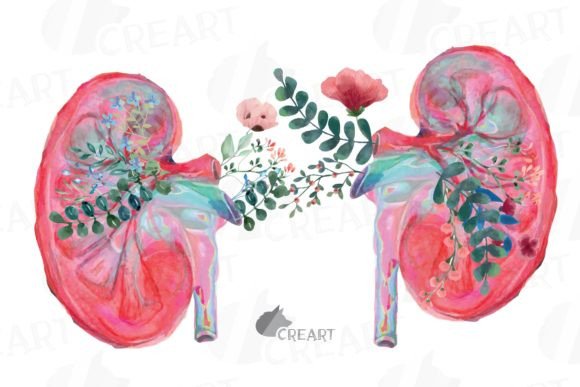
The intersection of medical science and artistic expression has given rise to a unique niche in digital design: anatomical illustrations that soften the clinical edge of human biology through organic, natural motifs. Among these emerging trends, watercolor floral human kidney clip art stands out as a particularly compelling fusion of educational accuracy and decorative elegance. This specific style of graphic design transforms the complex structure of the renal system into visually appealing assets that serve a multitude of purposes, from professional medical presentations to personalized creative projects.
Unlike traditional anatomical diagrams that rely on stark lines and sterile color palettes, this approach integrates soft watercolor textures with delicate botanical elements. The result is a floral anatomical kidneys decor design that feels both informative and inviting. For designers, educators, and crafters, understanding the versatility and technical specifications of these assets is crucial for maximizing their potential in various media formats.
The Aesthetic Appeal of Botanical Anatomy
The primary advantage of using floral human kidney clip art lies in its ability to humanize medical imagery. In many contexts, anatomical illustrations can appear intimidating or overly clinical. By weaving flowers, leaves, and vines into the structural depiction of the kidneys, artists create a visual narrative that connects biological function with natural beauty. This stylistic choice is not merely decorative; it serves a psychological purpose by making the subject matter more approachable.
This aesthetic is particularly effective in environments where comfort and calm are prioritized. For instance, in urology clinics or wellness centers, wall decor featuring these softened anatomical images can help reduce patient anxiety. The watercolor technique adds a layer of warmth and fluidity, contrasting with the rigid perception often associated with internal organs. When viewers encounter such imagery, they are more likely to engage with the content without the immediate visceral reaction that realistic medical photography might provoke.
Applications in Professional Medical Contexts
While the artistic merit is significant, the utility of these graphics extends deeply into professional spheres. Urologists, nephrologists, and medical educators can leverage these designs to create engaging presentation materials. A lecture on renal health becomes more memorable when supported by visuals that are both accurate and aesthetically pleasing. These assets allow professionals to maintain scientific integrity while enhancing the visual appeal of their slides, brochures, and educational handouts.
Furthermore, these graphics serve as excellent tools for patient education. When explaining conditions such as kidney stones or chronic kidney disease, doctors can use annotated versions of these floral designs to highlight specific areas of concern without overwhelming the patient with graphic realism. The medical printable anatomy decor graphic acts as a bridge between complex medical terminology and patient understanding, facilitating better communication and care outcomes.
Versatility in Creative and Commercial Projects
Beyond the medical field, the demand for unique, niche-themed graphics has surged among creators and small business owners. The watercolor floral human kidney clip art offers a distinctive angle for products targeting healthcare professionals, students, and patients alike. Because the design balances professionalism with creativity, it appeals to a broad audience looking for gifts and items that reflect their career or health journey with pride and style.
One of the most popular uses for these assets is in the creation of personalized gifts. Items such as mugs, tumblers, and tote bags adorned with these designs make thoughtful presents for nurses, doctors, and medical students. The floral element adds a touch of femininity and grace, making it an ideal choice for urologist med gift ideas that stand out from generic stethoscope-themed merchandise. Additionally, these designs are perfect for creating custom stickers, cards, and invitations for medical school graduations or retirement parties.
Sublimation and Print-on-Demand Opportunities
For entrepreneurs in the print-on-demand sector, high-quality vector and raster files are essential. The floral anatomical kidneys decor design is particularly well-suited for sublimation printing, a process that requires high-resolution images with transparent backgrounds. When applied to polyester-coated substrates like ceramic mugs or aluminum tumblers, the watercolor textures retain their vibrancy and detail. This ensures that the final product looks professional and durable, meeting the expectations of discerning customers.
Moreover, the scalability of these designs allows for diverse applications. Whether printed on a small sticker for a laptop or enlarged for a large-format poster, the integrity of the image remains intact. This flexibility is crucial for businesses that need to adapt a single design across multiple product lines, from apparel to home decor. The ability to change colors further enhances this versatility, allowing creators to match specific brand identities or seasonal themes.
Technical Specifications and File Formats
To fully utilize watercolor floral human kidney clip art, it is important to understand the technical components included in a comprehensive digital package. High-quality assets typically come in a variety of file formats, each serving a specific purpose in the design workflow. Understanding these formats ensures that users can integrate the graphics seamlessly into their preferred software and projects.
- PNG Files: Portable Network Graphics files with transparent backgrounds are essential for digital design. They allow the clip art to be placed over any color or texture without a white box surrounding the image. High-resolution PNGs ensure crisp edges and detailed watercolor effects, making them ideal for web design, social media graphics, and digital invitations.
- JPG Files: Joint Photographic Expert Group files are suitable for projects where a solid background is acceptable or desired. These files are widely compatible and easy to share, making them useful for quick previews or simple print jobs where transparency is not required.
- SVG Files: Scalable Vector Graphics are crucial for cutting machines and web development. Unlike raster images, SVGs use mathematical paths to define shapes, allowing them to be resized infinitely without any loss of quality. This makes them perfect for vinyl cutting, laser engraving, and responsive web design.
- AI and EPS Files: Adobe Illustrator and Encapsulated PostScript files provide full editability for professional designers. These vector formats allow users to modify individual elements, adjust colors, and reshape components of the floral anatomy design. This level of control is vital for customizing the artwork to fit specific layout requirements or brand guidelines.
- PSD Files: Photoshop documents with layered elements offer the deepest level of customization for raster-based editing. Designers can adjust opacity, blend modes, and individual layers to create unique compositions. This format is particularly useful for adding textures, shadows, or other effects to enhance the watercolor look.
- PDF Files: Portable Document Format files are ideal for printing and sharing. They preserve the layout and quality of the design across different devices and operating systems, making them suitable for sending to professional printers or including in digital portfolios.
Implementation Strategies for Designers and Hobbyists
Successfully incorporating floral human kidney clip art into projects requires a keen eye for composition and color theory. Since the design combines organic floral elements with structured anatomy, balancing these two aspects is key. Designers should consider the hierarchy of information, ensuring that the anatomical features remain recognizable while the floral accents enhance rather than obscure the main subject.
Color customization is another powerful tool. While watercolor styles often feature soft pastels, changing the palette can dramatically alter the mood of the design. For a more serious medical context, cooler tones like blues and greens might be appropriate. Conversely, for a celebratory gift or wedding decor, warmer hues like pinks and corals can evoke feelings of joy and vitality. The ability to modify colors in vector formats empowers users to tailor the artwork to their specific needs.
For hobbyists engaged in scrapbooking or card making, these digital assets can be printed on high-quality cardstock or specialty paper. The transparent PNG files allow for easy layering with other embellishments, creating depth and interest in handmade projects. Similarly, for web designers, the SVG and PNG files can be optimized for fast loading times while maintaining visual clarity on various screen sizes.
Enhancing Brand Identity with Niche Graphics
Businesses in the healthcare and wellness sectors can use these unique graphics to differentiate their brand identity. By adopting a visual style that is both professional and compassionate, companies can convey a message of holistic care. This approach resonates with consumers who value empathy and personalization in their healthcare experiences. Whether used in logo design, packaging, or marketing materials, medical printable anatomy decor graphic elements can help build a cohesive and memorable brand presence.
In conclusion, the integration of watercolor florals with human kidney anatomy represents a sophisticated evolution in medical illustration. It offers a versatile, high-quality resource for a wide range of applications, from clinical education to creative commerce. By leveraging the technical flexibility and aesthetic charm of these digital assets, users can create impactful designs that inform, inspire, and beautify their respective fields.